The Impact of the Putin War on Global Sports: Challenges and Changes

The ongoing conflict commonly referred to as the “putin war,” which erupted with Russia’s invasion of Ukraine, has reverberated far beyond politics and military affairs. One of the less discussed but deeply significant arenas affected by this war is the world of sports. From international sanctions on Russian athletes and teams to the reshaping of global sporting events, the conflict has forced sports organizations, athletes, and fans to navigate unprecedented challenges. This article explores how the Putin war has influenced the sports world, examining disruptions, ethical debates, and emerging trends in international competition. Sports Illustrated
Understanding the Context: The Putin War and Its Global Reach
The “Putin war” refers to the conflict initiated by Russian President Vladimir Putin’s decision to launch a large-scale military invasion of Ukraine in February 2022. This act was met with widespread condemnation, triggering economic sanctions and diplomatic isolation for Russia from numerous countries worldwide.
While the primary repercussions have been humanitarian and geopolitical, the war’s ripple effects reached sporting institutions almost immediately. Sports, traditionally a unifying and apolitical space, became a battleground for symbolism, protest, and consequence. The interconnection of global sports and politics has intensified, shedding light on how deeply international conflict can disrupt even seemingly unrelated sectors.
Sanctions on Russian Sports: Exclusion and Suspension
International Sports Bans and Their Rationale
In response to Russia’s actions, many global sports federations imposed bans or restrictions on Russian teams, athletes, and officials. The International Olympic Committee (IOC), FIFA, UEFA, and other major governing bodies took unprecedented steps to exclude Russia from various competitions. For example, the Russian men’s and women’s football teams were barred from FIFA and UEFA competitions, including the World Cup qualifiers and the UEFA Champions League.
The rationale behind these sanctions is twofold: to express international disapproval of Russian aggression and to prevent Russia from utilizing sports as a platform for propaganda. Moreover, these bans seek to protect the spirit of fair play and global unity that underpin sports.
Effects on Russian Athletes and Teams
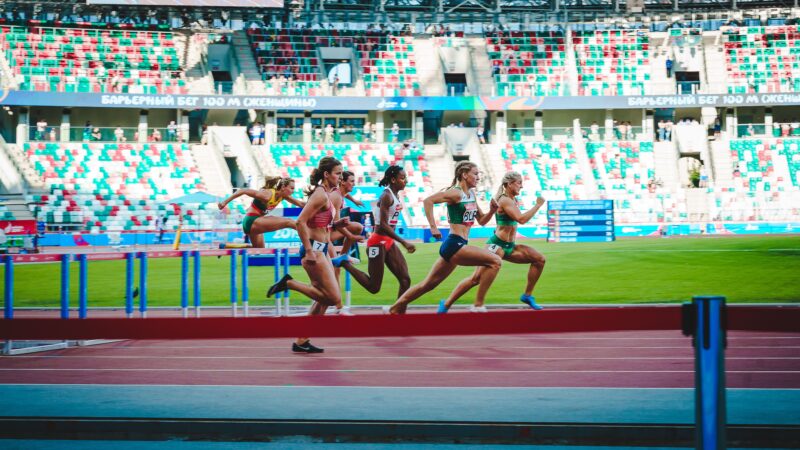
For Russian athletes, the consequences have been profound and often deeply personal. Many professional athletes found themselves unable to compete internationally, even if they personally opposed the war. For instance, figure skaters, gymnasts, and track and field competitors saw their careers interrupted, with many organizations barring them despite the non-political nature of their sports.
This situation has raised difficult questions about collective punishment and individual rights in sport. Some athletes have spoken out against the war, but restrictions remain mostly blanket policies rather than case-by-case exemptions.
The War’s Impact on International Sports Events
Relocations and Cancellations
The conflict also forced changes in event scheduling and locations. Several tournaments and championships planned for Russia or involving Russian participation were either canceled or relocated. For example, the 2023 World Athletics Indoor Championships, initially scheduled to be held in Russia, were moved to a different host country. Such shifts reflect broader geopolitical caution and the desire to avoid appearing to legitimize Russian state actions.
Political Symbolism in Stadiums and Arenas
Beyond logistical changes, the war infused political symbolism into sports arenas. Ukrainian athletes and teams have received widespread support from fans and competitors alike, with moments of silence, flag displays, and fundraising campaigns becoming common. Conversely, Russian players often faced hostile receptions abroad, underscoring the intersection of sport and international conflict on a very public stage.
Challenges for Sports Organizations: Balancing Ethics and Fairness
Sports governing bodies grapple with complex challenges in responding to the Putin war. They must balance condemning acts of aggression with the principle of separating politics from sport, a traditional ideal. The exclusion of entire national teams raises concerns about punishing athletes for their government’s decisions, yet allowing participation risks diminishing the seriousness of the conflict.
Some organizations have explored allowing Russian athletes to compete under neutral flags, a compromise adopted in other contexts like doping scandals. However, the scale and nature of the Putin war have made consensus difficult, and many federations have opted for broader bans.
Long-Term Implications and Emerging Trends
Changing Geopolitical Alignments in Sports
The Putin war has accelerated shifts in geopolitical alignments within sports. Countries closely allied with Russia have faced scrutiny, and some international collaborations have been paused. Conversely, Western countries and many global federations have strengthened cooperation to uphold sanctions and ethical standards.
This evolving landscape might lead to a more fragmented international sports environment, with new alliances and rivalries reflecting broader political tensions. Monitoring these changes will be essential for understanding the future of global sports competitions.
Opportunities for Solidarity and Reform
Despite the negative impacts, the crisis has also opened opportunities for solidarity among athletes and reform in sports governance. Increased advocacy for human rights, greater transparency in decision-making, and stronger ethical guidelines are some positive outcomes emerging from the turmoil.
Moreover, the sports community’s response to the Putin war highlights the power of sport as a platform for promoting peace, justice, and dialogue, even amid conflict.
Conclusion
The Putin war’s influence on the world of sports demonstrates how international conflicts can profoundly affect diverse aspects of society. From sanctions and bans to symbolic gestures and logistical upheavals, sports have become entwined with the broader geopolitical struggle. While the path forward remains complex, the ongoing situation underscores the importance of ethical considerations and global cooperation in maintaining the integrity and unity of international sports.
Frequently Asked Questions
What is the “Putin war” in the context of sports?
The “Putin war” refers to Russia’s 2022 invasion of Ukraine, which has led to significant sanctions and exclusions of Russian athletes and teams from international sporting events as a response to Russia’s military aggression.
Have Russian athletes been banned from all competitions?
Many international sports federations have suspended Russian athletes and teams from competitions, though some individual athletes may be allowed to compete under neutral flags in certain sports, depending on the governing body’s policies.
How has the war affected major global sports events?
The war has led to cancellations, relocations, and boycotts of events originally scheduled to be held in Russia or involving Russian teams, impacting the logistics and political atmosphere of these competitions.
What ethical concerns arise from banning athletes over the war?
There are debates about fairness in collectively punishing athletes who may not support their nation’s military actions, balanced against the need to uphold international principles and express condemnation through sports.
Can sports help promote peace during conflicts like the Putin war?
Yes, sports can serve as a platform for solidarity, raising awareness, and advocating for peace and human rights, even amid ongoing geopolitical conflicts.