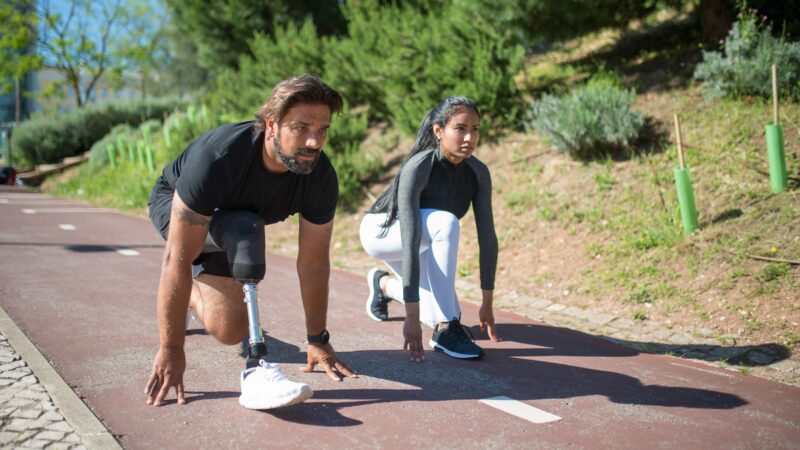
Workplace Diversity in Sports: Why It Matters and How to Foster It

Diversity in the workplace has become a vital conversation across all industries, and the sports world is no exception. Recognizing and embracing workplace diversity in sports organizations is not just a moral imperative; it also drives innovation, creativity, and success on and off the field.
Sports teams, leagues, and administrative bodies comprise a wide range of roles—from athletes and coaches to management and marketing professionals. Ensuring diversity in all these areas helps build inclusive environments where everyone’s unique experiences contribute to the organization’s growth.
In this article, we’ll explore why workplace diversity in sports matters, the benefits it brings, current challenges, and practical tips for fostering a genuinely inclusive culture within sports organizations.
What Does Workplace Diversity Mean in Sports?
Workplace diversity goes beyond visible characteristics like race and gender. It encompasses a wide range of attributes—ethnicity, age, sexual orientation, disability, socioeconomic background, and even cognitive styles and perspectives.
In sports, this diversity can be seen not only among athletes but across coaching staff, management teams, broadcasters, and support personnel. Promoting workplace diversity means ensuring that all voices have equitable opportunities to participate and lead.
Dimensions of Diversity in Sports Organizations
- Racial and Ethnic Diversity: Representation from various racial and ethnic groups helps reflect the global fan base and athlete pool.
- Gender Diversity: Encouraging participation and leadership from all genders promotes fairness and enriches decision making.
- Age and Experience: A mix of seasoned veterans and fresh talent brings both wisdom and innovation.
- Cognitive Diversity: Different problem-solving approaches help organizations be agile and adaptive.
Why Workplace Diversity Is Crucial in Sports
The sports industry thrives on passion, teamwork, and resilience. Introducing workplace diversity enhances these core values, strengthening organizations in multiple ways. Sky Sports
1. Enhances Team Performance
Diverse teams often outperform homogeneous ones. Different backgrounds mean varied approaches to strategy, training, and problem-solving. This diversity leads to richer collaboration and can improve performance both on the field and in planning sessions.
2. Builds Stronger Fan Connections
Sports attract global audiences. A diverse workforce can better understand and engage with diverse fan demographics. By reflecting the audience’s diversity, sports organizations foster loyalty and grow their brand worldwide.
3. Drives Innovation and Creativity
When team members have different perspectives, they challenge traditional thinking. This leads to creative marketing, innovative training methods, and new ways to solve complex challenges.
4. Promotes Fairness and Social Responsibility
Sports are a powerful cultural force. Leading by example in workplace diversity shows a commitment to equality and helps combat discrimination, sending a positive message to society.
Common Challenges to Achieving Diversity in Sports
Despite the clear benefits, many sports organizations face obstacles in creating truly diverse workplaces.
Unconscious Biases
Deep-seated biases can influence hiring, promotions, and team selection without intent. These biases often perpetuate existing imbalances, making it difficult for underrepresented groups to access opportunities.
Lack of Representation in Leadership
Leadership positions in sports tend to remain dominated by certain demographics. Without diverse leaders, it’s challenging to advocate fully for inclusivity initiatives. How Stocks and Sports Are More Connected Than You Think
Traditional Culture and Resistance to Change
Sports, especially at elite levels, sometimes cling to longstanding traditions and hierarchies. Changing these cultural norms requires persistent effort and buy-in from all stakeholders.
Limited Access and Resources
Barriers such as economic factors, geographic location, and educational disparities can restrict who gets involved in sports careers, limiting the talent pool’s diversity.
Practical Strategies to Foster Workplace Diversity in Sports
Creating an inclusive environment takes intention, commitment, and ongoing assessment. Here are some actionable steps sports organizations can take.
Implement Inclusive Hiring Practices
Use blind recruitment techniques to reduce unconscious bias. Develop job descriptions that encourage a diverse range of applicants. Collaborate with organizations focused on underrepresented groups to expand recruitment channels.
Create Diversity and Sensitivity Training
Regular training sessions help employees recognize biases and learn how to work effectively in diverse teams. Education increases awareness and empathy, fostering a respectful culture.
Support Mentorship and Development Programs
Mentorship helps underrepresented staff grow in confidence and skills. Establish programs pairing experienced employees with diverse talent to encourage career advancement.
Promote Diverse Leadership
Actively work to appoint diverse leaders at all levels. Diverse leadership teams set the tone for an inclusive workplace and influence policy and culture.
Encourage Open Communication
Create safe channels for feedback and dialogue around diversity and inclusion. Listening to employees’ experiences informs better decision-making and continuous improvement.
Celebrate Diversity
Recognize and celebrate cultural and social differences through events, campaigns, and storytelling. These efforts build morale and showcase organizational values.
Case Studies: Diversity Success Stories in Sports
Several sports organizations worldwide exemplify how workplace diversity fosters success.
The NBA’s Diversity Initiatives
The NBA has launched multiple programs to promote diversity and inclusion, from hiring practices to community outreach. Their efforts reflect in a roster and staff composition that is diverse and representative of their broad fan base.
FIFA’s Commitment to Gender Equity
FIFA has increasingly supported women’s participation in all aspects of the game. Through initiatives targeting female athletes, coaches, and officials, it aims to close the gender gap in international soccer.
The Future of Workplace Diversity in Sports
As sports continue to globalize and evolve, workplace diversity will become even more critical. Embracing inclusive practices will ensure sports remain relevant and competitive in a changing social landscape.
Technological advances like data analytics and virtual engagement offer new ways to reach diverse participants and fans. The organizations that leverage these tools alongside strong diversity values will set the standard for excellence.
FAQ
Why is workplace diversity important in sports organizations?
Workplace diversity brings varied perspectives and ideas that enhance team performance, drive innovation, and help organizations connect with diverse fan bases. It also promotes fairness and social responsibility within the sports community.
What are common barriers to achieving diversity in sports workplaces?
Challenges include unconscious bias, lack of representation at leadership levels, resistance to cultural change, and limited access to opportunities for underrepresented groups.
How can sports organizations promote gender diversity?
Organizations can foster gender diversity by implementing inclusive hiring, providing development programs for women, supporting female leadership, and creating policies that promote equity and safety.
What role does leadership play in workplace diversity?
Diverse leadership teams can advocate for inclusive policies, set organizational culture, and inspire change throughout the organization. Leadership commitment is vital to sustainable diversity efforts.
Can workplace diversity impact fan engagement?
Yes, a diverse workforce can better understand and relate to a broader fan base, creating deeper connections and expanding the sport’s popularity globally.