How Do Germs Impact History? Exploring the Invisible Forces That Shaped Our World
Germs might be invisible to the naked eye, but their impact on history is undeniable. From ancient plagues to modern pandemics, microscopic organisms have influenced the course of civilizations, economies, and even politics. Understanding how do germs impact history helps us appreciate the unseen forces that have shaped the human experience.
Throughout the ages, disease outbreaks caused by germs have altered populations, shifted power dynamics, and accelerated scientific progress. This article explores the profound ways these tiny agents have left their mark on history and why studying them remains crucial today.
The Role of Germs in Shaping Human Societies
The Black Death: A Turning Point in Medieval Europe
One of the most dramatic examples of how germs impact history is the Black Death in the 14th century. Caused by the bacterium Yersinia pestis and spread by fleas on rats, this plague wiped out an estimated one-third of Europe’s population.
The massive death toll led to labor shortages, which empowered surviving workers to demand better wages and conditions. This social upheaval weakened the feudal system and paved the way for the Renaissance. The Black Death also changed medical practices, pushing communities toward quarantine measures and public health awareness.
Smallpox and the Colonization of the Americas
When European explorers arrived in the Americas, they unknowingly brought germs native to their continents—smallpox being one of the deadliest. Indigenous populations, having no previous exposure or immunity, were devastated by these diseases.
The catastrophic loss of life from smallpox and other illnesses severely weakened native societies, making it easier for European powers to establish colonies. This tragic intersection of germs and history dramatically reshaped the cultural and demographic landscape of the New World.
Germs and Warfare: Disease as an Unseen Weapon
Napoleon’s Russian Campaign and Typhus
Military history is rife with examples where germs, rather than bullets, determined outcomes. During Napoleon’s 1812 invasion of Russia, typhus epidemics ravaged his troops, contributing significantly to the campaign’s disastrous failure. The Founder of Costco: How Innovation Shaped a Retail Giant
Disease outbreaks often proved more lethal than combat itself, highlighting how germs have indirectly influenced the rise and fall of empires.
World War I and the Spanish Flu
The final year of World War I also witnessed the outbreak of the Spanish flu pandemic. This influenza virus infected a third of the global population and killed an estimated 50 million people worldwide.
The pandemic spread rapidly among soldiers and civilians alike, exacerbating the suffering caused by the war. Its swift and brutal impact exemplifies how germs can amplify existing crises, shaping historical trajectories on a global scale.
Advances in Medicine: Turning the Tide Against Germs
Germ Theory Revolutionizes Healthcare
For centuries, disease causes were misunderstood, often attributed to miasma or divine punishment. The development of germ theory in the 19th century revolutionized medicine by identifying microbes as the root cause of many illnesses.
This breakthrough led to improved hygiene, sterilization in surgeries, and the eventual creation of vaccines and antibiotics—tools that dramatically reduced mortality rates and changed the course of history.
Vaccination and Public Health Progress
Thanks to advancements in immunology, vaccines have played a critical role in controlling infectious diseases. The eradication of smallpox in 1980 marked a milestone in global health, demonstrating how human ingenuity could counteract the historical impacts of germs. Wikipedia
Efforts to vaccinate populations against diseases such as polio, measles, and influenza continue to protect millions annually, preventing outbreaks that could otherwise reshape societies.
Modern Implications: Lessons from History for Today’s World
COVID-19 and the Continuing Influence of Germs on Society
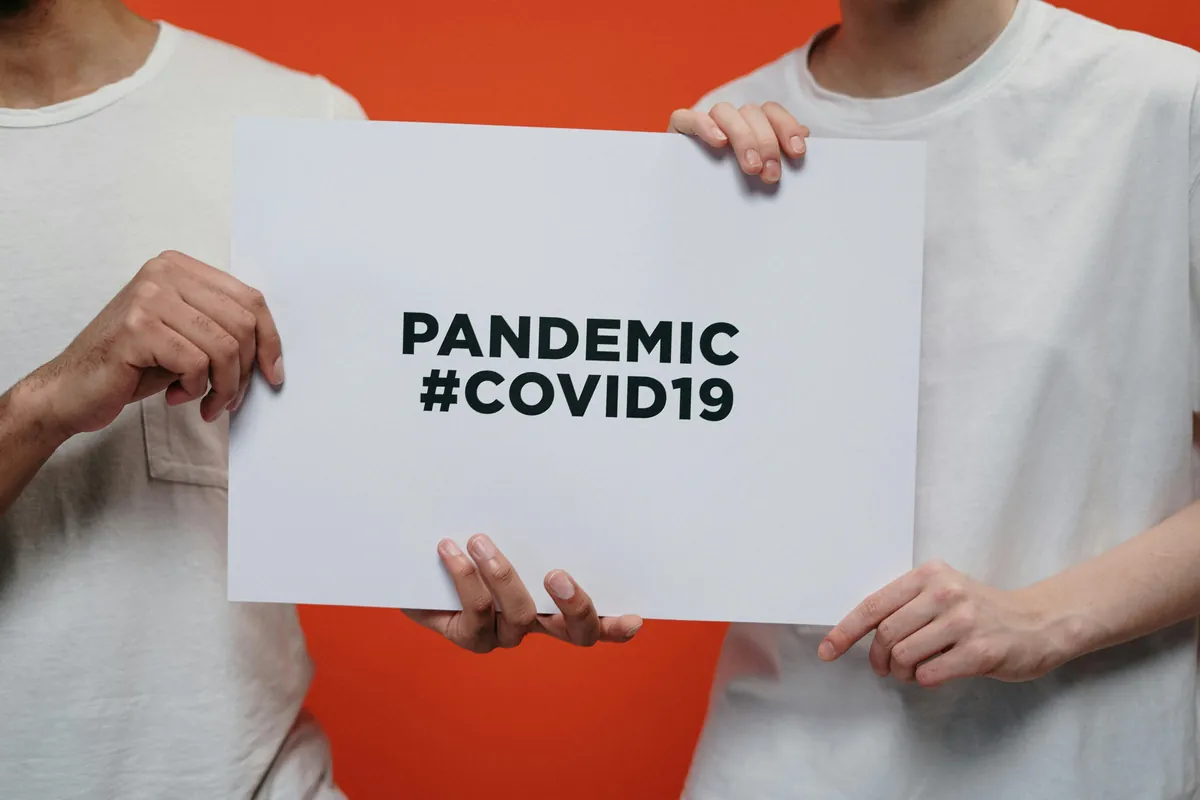
The COVID-19 pandemic reminded the world that germs still have the power to disrupt economies, strain healthcare systems, and alter daily life. It underscored the importance of learning from history to prepare for and manage infectious disease threats.
Understanding how do germs impact history helps policymakers and communities implement effective prevention strategies, such as social distancing, vaccination, and global cooperation. Big Pharma News: What’s Shaping the Future of Healthcare in 2024?
Globalization and the Speed of Disease Spread
Modern travel and interconnected economies increase the risk of germs spreading quickly across borders. This reality emphasizes the need for robust surveillance, rapid response measures, and international collaboration to mitigate the historical challenges posed by infectious diseases.
Conclusion: Appreciating the Impact of Germs Through Time
Germs have played a pivotal role in shaping human history, influencing everything from social structures to geopolitical power. Recognizing their impact encourages a vigilant and informed approach to public health and scientific research.
As history shows, combating germs requires combining medical innovation with social awareness. By understanding how do germs impact history, we gain valuable insights to better protect our future.
FAQ
How did germs influence the fall of ancient civilizations?
Infectious diseases caused by germs often led to population declines in ancient civilizations, weakening their ability to defend against invasions and maintain social order. Epidemics could cause labor shortages and disrupt economies, contributing to societal collapse.
Why was the Black Death so significant in history?
The Black Death dramatically reduced Europe’s population, leading to social and economic shifts such as the decline of feudalism. It also prompted advances in medical understanding and public health policies.
Can germs still impact global history today?
Absolutely. Modern pandemics like COVID-19 demonstrate that germs continue to influence global events by affecting health, economies, and daily life, emphasizing the need for preparedness and scientific research.
What role do vaccines play in the history of germs?
Vaccines have been crucial in controlling and eradicating infectious diseases, saving millions of lives and preventing outbreaks that historically caused social upheaval and widespread mortality.
How can understanding history help in fighting future disease outbreaks?
Studying past germ outbreaks informs strategies for containment, treatment, and prevention. It highlights the importance of public health infrastructure, international cooperation, and ongoing research in mitigating future threats.